
Anxiety, Breakdowns, and hair strands pulling out of the scalp while tears run down your face. You’ve most likely felt one of these if you are or have been a college student. In college, students have more freedom and opportunities than they do in high school, however, college students have been facing overwhelming amounts of anxiety and depression in recent years.
More than 60% of college students are having at least one health problem or a type of psychological distress during the 2020-2021 school year according to the Healthy Minds Study, many college students face high amounts of stress, anxiety and depression due to many different factors including academic pressure, financial worries, pressure to find a sufficient or fulfilling job after school or social difficulties such as isolation, or failure/challenges with friends and relationships.
These factors can lead college students to alcohol and drug use, poor sleep and eating habits, and increased anxiety and depression which can lead to suicide. Four individuals, two college students, a college alumna and a college graduate are featured in this article to share their experiences in college.
“College students definitely experience anxiety and pressure, some worse than others”, says Mia Schy, a junior student at Western Connecticut State University. “This is a time where we’re figuring out our feature, what are plans are when we’re out on our own in the real world, and when we work towards our degree, we have to work to balance the assignments that we have to get done in time while also enjoying hobbies and social life.”
College students, especially first-generation students, are pressured to make their parents proud by working hard towards their degree and a high-profile job, however, most college students become depressed and develop a lack of energy and motivation when they are constantly pushed to become the best they can be, devoting their time and focus to academia, with a lack of time to eat, sleep, hang out with friends or enjoy hobbies that benefit their mental health.
“I know questions that I ask myself include, What if it’s the wrong choice?” and “What if there’s no job opportunities after graduation?” Mia’s questions correlate with her feelings about anxiety that can be attributed to the familial pressure that college students face, along with the uncertainty about their major and potential career. “With work, I feel pressure that I may not have enough time to give my best answers, and I have even thought at times if my major was the best choice I took.
“Coping with negative feelings is a very loaded question,” Mia chuckles. “Most college students that seek mental help don’t know how to ask for it, or don’t think they need it.” Mia believes some students think their negative feelings will eventually “blow over”, or some do not realize that they are facing pressure. “WestConn does have counseling services which I think are reliable, but I can’t say personally I’d reach out if I feel like I needed help, there’s other resources I go to first, such as family and friends.”
“There are multiple factors that cause college students to feel pressure and have anxiety,” says Jasmin Goncalo, an alumna of Ohio University in 2021. “From my own personal college experience, I felt pressure almost every day whether it was my course load, my jobs, and participating in programs and community service hours for my scholarships.” Jasmin was pre-occupied all-day, every day to be able to reach the success she wanted. However, Jasmin quickly found out that her over-scheduling would lead to burn-out. “I feel like a lot of college students have the same mentality of overbooking themselves because they want to get as much accomplished as fast as they can, so they can graduate quickly and finally enter their career paths.” Jasmin, a CT native, was living on-campus out-of-state.
“Most of the students that attended OU were within the state of Ohio while I was 10 and a half hours away from home.” Initially, being far away from home gave Jasmin a sense of independence and freedom that she had never felt before, however during holidays, friends would go home to see their families, while Jasmin far away, was unable to do so. Feelings of homesickness, loneliness and isolation added on to the pressure of Jasmin’s college life.
However, it brought her a greater appreciation for her family and home. “At the time, I wasn’t aware that I was experiencing anxiety and depression.” “When I was younger, mental health wasn’t talked about the way it is now, and what I was feeling for most of my life in college I assumed was normal, and everyone felt the same.” Jasmin realized the true severity of her mental health when in her junior year of college, she experienced a heart rate of 200 BPM for over 12 hours. Jasmin was diagnosed with depression and extreme anxiety. “In that moment, I realized that depression and anxiety were indeed a real thing, and it was affecting me so badly, it was taking physical form and harming my body.”
Jasmin dropped her extra classes and took time off from work, realizing that she needed to enjoy her favorite hobbies and enjoy life. “There are many healthy ways to take care of your mental health, and unfortunately, people use partying and substances to escape feelings that are too uncomfortable to deal with.” Exercising, reading, listening to music, and spending time with family and friends are some of Jasmin’s favorite hobbies and ways that she relieves stress.
Jasmin also recommends therapy as helpful and effective, despite it being considered controversial for many years. “In the world we live in today, therapy is a lot more accessible and accepted, and I truly think it is one of the best outlets for dealing with negative emotions.” Jasmin also believes that the mental health resources at colleges are helpful. “The thing most difficult about these resources is being true to yourself, and admitting and accepting that you need help.”
However, not all college students are overwhelmed with stress, and one’s college experience can largely differ from others. “I really enjoyed my experience in college because it gave me an opportunity to reinvent myself, “shares Dimitrios Petridis, a graduate of the University of Connecticut, in 2021. “I got to live on my own for the first time, create new relationships and grow as a person.”
Although Dimitrios considers college a positive experience, he does not deny the hardships that other college students face. “College students are absolutely under a lot of stress.” “For certain majors, classes can completely take up your entire life and you can have no free time to de-stress and take care of yourself.” Dimitrios acknowledges that most people, especially college students, do not have good time management and can end up falling behind or being distracted by other factors outside of college.
“When you’re not putting your energy in the right place you can make something small feel impossible.” Dimitrios found his college life easy and claims a lot of his stress or issues came from adjusting to a life where you hold more responsibility. “UCONN provides plenty of outlets to cope with some of the stress that comes with college.” A place where Dimitrios would go to relieve stress is the gym, to exercise. “I think most of the resources that colleges supply are reliable ways of dealing with negative feelings, but sometimes people don’t know how to utilize them, or they don’t even know if they exist”.
Another student unaffected by stress is James Huang, a sophomore student at Western Connecticut State University. “My personal current experience in college is excellent.” “College students commonly experience stress because of increased responsibilities, a lack of good time management, changes in eating and sleeping habits and not taking enough breaks for self-care.” “Transitioning to college can be a source of stress for most first-year students.”
James states he does not have any anxiety and depression during his time in college, however, sources at WCSU are reliable. James recommends meditation as a way of coping with stress. “College students should meditate because it can give you a sense of calm, peace and balance that can benefit both your emotional well-being and your overall health.” “Meditation can help you learn to stay centered and keep inner peace.”
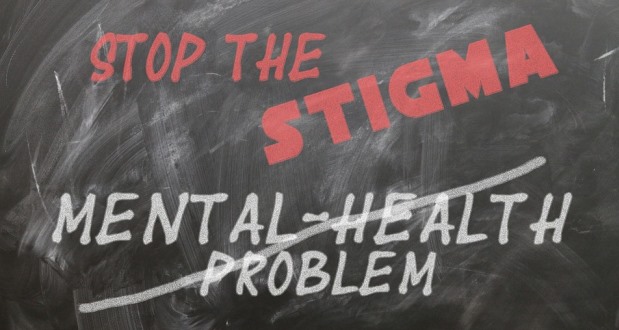
Mental health awareness has increased recently, especially in the 2020s. Personal narratives shared by members of the public have increased to reduce stigma, whether it would be through news, social media, podcasts, and open conversations. I chose four college students and alumni to share their personal experiences at college to show what students can endure during their time at college, though not everyone’s college experience is the same.
College students are largely affected by negative mental health. College students are presented with more responsibility and freedom than they were in high school, though more responsibility and opportunities can come with more stress and anxiety to certain people. Academic stress, abundance of work, difficulty balancing work and school, familial pressure, career uncertainty, major dissatisfaction and pressure/difficulties with relationships and friendships are all factors of poor mental health among college students.
One’s emotional, psychological, and social well-being affects how they think, feel and act, and poor mental health can lead to depression, anxiety and potentially, suicide. Mental health is important at any and every stage of life, and colleges and other mental health resources should be used when one seeks help.
Suicide Prevention, Awareness, and Support: www.suicide.org
Crisis Text Line: Text REASON to 741741 (free, confidential and 24/7). In English and Spanish
Leave a Reply