
Edited by Campbell Mitchell
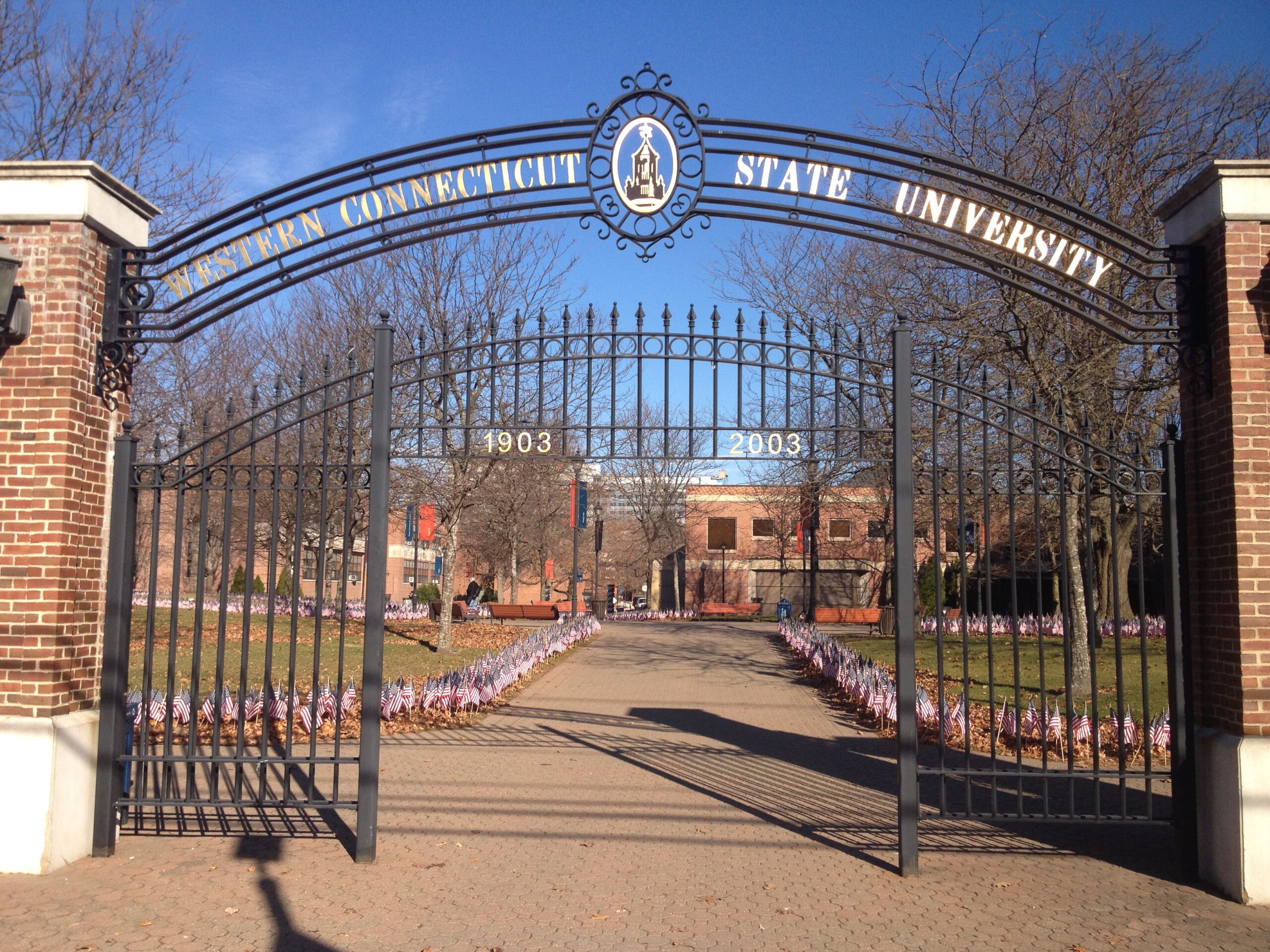
On Wednesday February 15, 2023 the Higher Education subcommittee of the Appropriations Committee of the Connecticut General Assembly held a public hearing where a multitude of WCSU students testified on their experience and what this education has done for them. A common theme of the testimony submitted was the benefits of a state university education, not only in terms of educational credentials and knowledge, but in their own personal growth and what these opportunities have provided for them in their lives.
The subcommittee governs the budget for the Connecticut State Colleges and Universities system, including the Connecticut State Community College, Central Connecticut State University, Southern Connecticut State University, Eastern Connecticut State University, Charter Oak State College, the state’s online only state university, and our very own Western Connecticut State University.
How Connecticut Gets its Budget
The Connecticut General Assembly is Connecticut’s legislative body which votes on the budget, The CGA is bicameral, similar to the federal congress, made up of the House of Representatives and the State Senate. with 151 members of the House of Representatives and 36 senators. The CGA includes several committees, including the committee for appropriations, which leads budget discussions, and Higher Education and Employment Advancement, which leads discussions relating to higher education and particularly the state universities. All committees in the CGA are joint committees, including members from both the house and senate, and represent the partisan makeup of the legislature, which is currently majority Democratic in both houses.
The budget process starts by first having different agencies, including the CSCUs, send quotes and expected expenditures over to the executive Office of Policy Management, which works with the governor’s office to develop projections and budget priorities. Depending on the needs of the state agencies, and the political priorities of the governor, a two year budget and bond package which determines the amount of debt issued by the state is put together.
This draft budget and bond package is sent over for the General Assembly in February. Specifically on the first Wednesday after the first Monday in February, the Governor presents his budget proposal to a joint session of the CGA. Then through a number of committees, in particular the appropriations committee and its subcommittees, hold public hearings to hear from these different agencies, members of the legislature, and the public. A spending, revenue (taxes), and bond (debt) package is then drafted by the appropriations committee and debated in committee again.
After these spending packages are created it has to be raised, voted on, and approved by the full Senate and the house through a simple majority, like any other bill. The governor then signs or vetoes the budget. If the governor vetoed the budget, the CGA can attempt to override the veto.
In practice, the CGA and governor attempt to avoid the spectacle of vetos and overrides by negotiating during the committee process.
But why was this appropriation meeting for the CSCU budget, which includes WCSU’s state funding, contentious? Given that According to the Connecticut government 35% of all Connecticut High School grads attend CSCU’s, and around 85,000 students total, this is not a small number of students being represented, nor are these small amounts of funds being discussed.
Students Speaking Out
Many students were outraged after hearing the proposed tuition spikes across the state and rightfully so, in a world where rent takes up more than 30% of a person’s income and a college degree cannot promise a stable career in today’s day and age right out of graduation. The added stress of academic costs will only make the cost of living issues worse for the current generation.
Given that the information provided to the Appropriations Committee by the CSCU system office cited that there has been a 44% increase in inflation since 2007, this is all the more reason that students need more funding and access to help to accommodate these issues with inflation.
State University students come from a multitude of backgrounds when it comes to living situations or academic excellence. Whether they strived in high school or applied themselves in university, what they all have in common is a drive towards personal and professional development.
“It’s because WCSU offers an affordable platform to improve, grow, and excel to all types of students. Western provided me the opportunity to reinvent the student I was in high school and prove to myself that I am the student I always thought I was!” Testified WCSU SGA President Micheal Azzi.
“I ask you to consider student poverty and how that correlates with mental health among our students.” Dr. Bandhauer, Chair of the Social Sciences Department at WCSU stated in her testimony at the Appropriations Committee meeting. A number of students from the different state universities as well as professors also came forward to speak on the matter.
In particular one quote that she mentioned from a student highlighted the balance that these state university students have to go through in order to achieve their education already. “Once I started working and started college, I found myself getting anxious over loans and paying for tuition and other bills. There are times where I have to choose between going to work and studying for an exam.”
These are the same students working just to be able to afford to go to school who are not being prioritized within the current budget.
What’s at Stake?
As a State University student myself, I have to put my best foot forward, not only because I care about my studies, but because I rely on scholarships to help pay for my tuition. If the tuition were to spike even higher I would not be able to afford even the state university costs. I would have to instead of relying on more scholarships which is always a lottery. A number of students have similar backgrounds, who maybe didn’t get the top grades in high school, but now have significant GPAs and accomplishments to back them up.
State university students commonly build themselves from the ground up and work for everything that they eventually earn throughout their academic career. In other cases, state universities provide an opportunity to explore one’s interests and discover more about themselves in a way that other paths may not provide. It is a great injustice for those that face inequality, are lower income or the first to go to university in their family, and minorities to overlook this demographic and group of hard-working students when considering the budget for Connecticut.
To overlook the state universities and think that simply focusing on the community colleges and making that free is enough for disadvantaged students does a great disservice to the youth of Connecticut. It is estimated that around 34,000 students make up the enrollment rate for all of the state universities across Connecticut; these are thousands of people that are having their futures put at risk by the budget.
No longer should these students be overlooked, especially as residents and voters of Connecticut, when putting together a state budget. University students are the future of this state and deserve an affordable education if [the governor/the legislature/the state] wishes to keep residents working and happy within this state.
How to get involved
You can reach out to your legislators by visiting cga.ct.gov and clicking on the item on the top left toolbar. You can also forward your feedback to the Echo!
Leave a Reply