
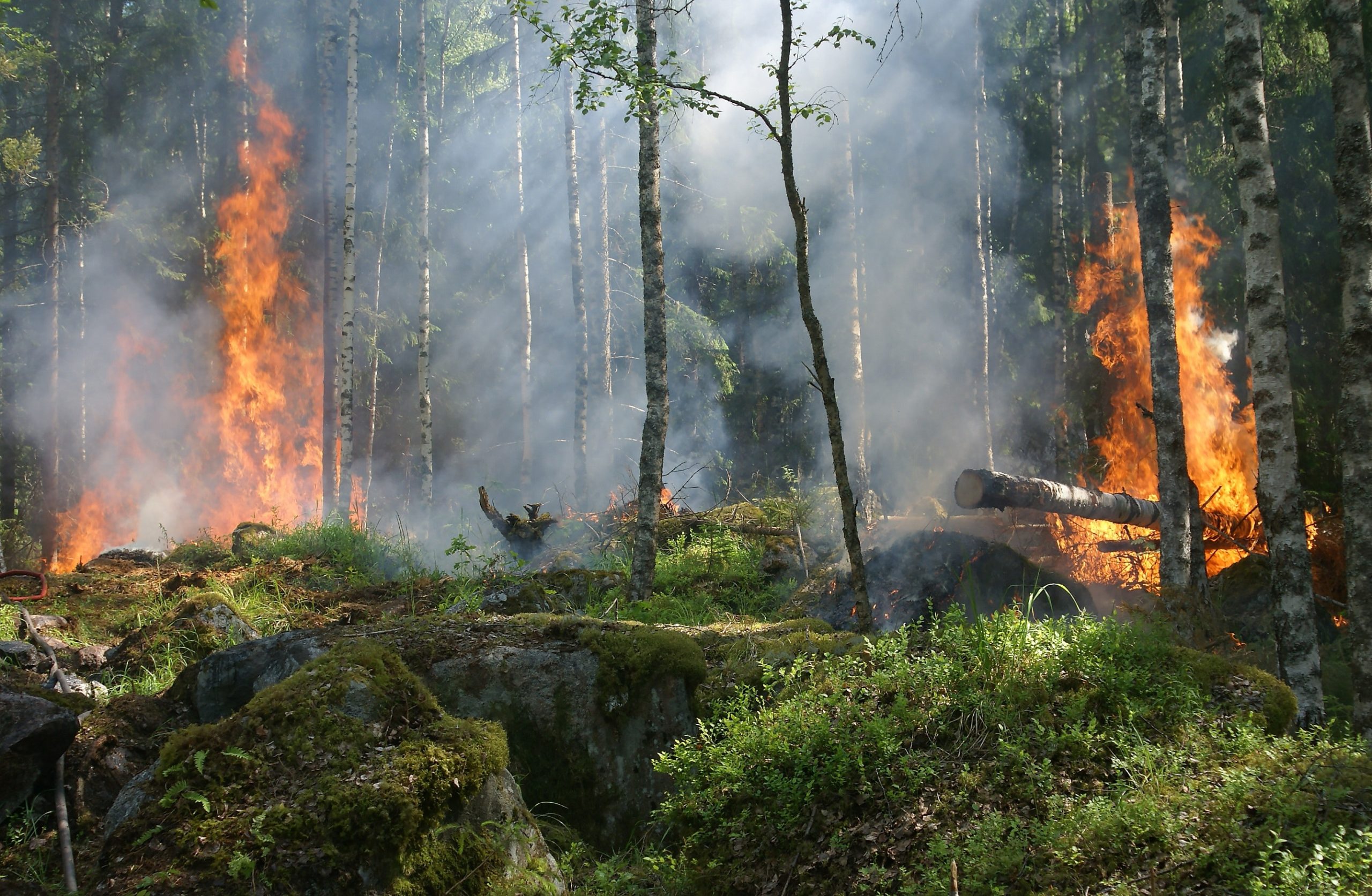
Since March 2023, the wildfires in Canada have been raging with increased intensity and more particles pollute the air every day. As of Friday, June 30, 2023, CBS reported that the wildfires have burned at least twenty million acres of land, far surpassing the most recent large-scale wildfire season of 1989.
Wildland fire ecologist Robert Gray told ABC News that the higher temperatures and drier conditions will lead to even more wildfires and that because they’ve grown so large, we will have to rely on “‘major rain, and in some areas, possibly snowfall’” to put them out.
However, it’s not just the environment that is suffering the consequences. From Toronto to Minneapolis to Paris, hundreds of millions of people across most of the northern hemisphere are suffering from poor air quality. More importantly, a disproportionate amount of people living in high pollution areas are people of color. Enter: environmental racism.
According to the National Resources Defense Council (NRDC), the term “environmental racism” “was coined by civil rights leader Dr. Benjamin F. Chavis Jr. He defined it as the intentional siting of polluting and waste facilities in communities primarily populated by African Americans, Latines, Indigenous People, Asian Americans and Pacific Islanders, migrant farmworkers, and low-income workers.”
Environmental racism exists because of the consequences of redlining, which was when people were denied loans or other financial resources because they lived in what were deemed “hazardous” neighborhoods. This practice is now illegal. Investors (who were almost always white) refused to do so because they claimed the investment would not lead to a bountiful return (read: they did not want to give money to poor people of color). The United States has never attempted to pay reparations to people and families of color in a meaningful way to counteract redlining or any other large-scale racist action at that.
What does this have to do with the environment? Take a look at Detroit, a mostly Black city with a 30% poverty rate. On Wednesday, June 28, 2023, the Environmental Protection Agency reported that Detroit’s air reached 376 out of 500 on the Air Quality Index scale, and this is not a test on which you want to score high. In fact, Detroit only had two days during June 2023 where the air quality was considered “Good” (a 50 or below).
On top of the Canadian wildfires, people of color are more likely to develop health issues because of regular pollution. According to CDC data from the years 2018-2020, 5.7% of white children had asthma, but 12.3% of Black children and 9.3% of Indigenous children had asthma.
A study published in Science Advances in April 2021 also found that Black, Hispanic, and Asian people are disproportionately exposed to “ambient fine particulate air pollution” known as PM2.5. The sectors these groups of people primarily experience this pollution include “industry, light-duty gasoline vehicles, construction, and heavy-duty diesel vehicles.” A disproportionate amount of people of color live in areas where high pollution levels run rampant.
There are mountains of data one could analyze detailing neighborhood upon city upon statewide community that suffers from environmental racism, but it shouldn’t take that for you to care. We do not need study after study to prove that white supremacy is embedded in our way of living.
Climate change is a race issue. Global warming is a race issue. Earth dying is a race issue. We need to start caring about issues like the Canadian wildfires now, or even more communities of color are going to die.
While you may not be able to take direct action against the wildfires right now, what you can do is continue to listen to the news and to the experiences of people of color. Have conversations with people around you and spread the word about how changes in our environment are affecting people of color. The more we do to take care of our communities, the more our communities will thrive.
Leave a Reply